
Virtual Reality in the Entertainment Industry: The Evolution of Video Games and Immersive Experiences
The Impact of Virtual Reality on Entertainment
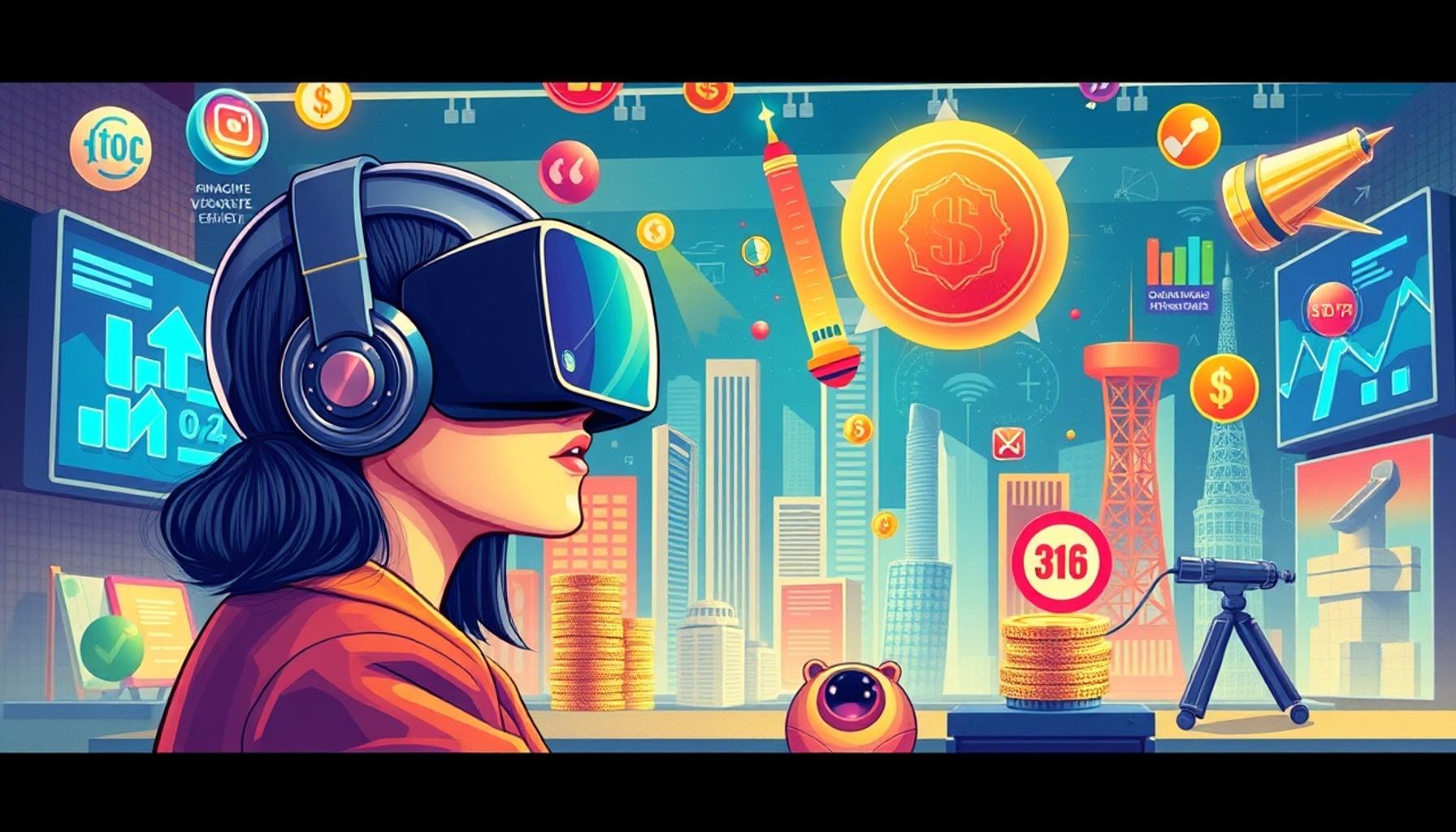
In recent years, virtual reality (VR) has changed how we engage with various forms of entertainment, especially in the video game industry. This innovative technology immerses players in lifelike environments, making gaming experiences more engaging, interactive, and memorable. Let’s explore the remarkable growth of VR and its implications for the future of entertainment.
Key Developments in VR Gaming
Several transformative developments have significantly shaped the landscape of VR in gaming:
- Accessible Hardware: The evolution of VR headsets such as the Oculus Rift, HTC Vive, and the more recent Meta Quest has democratized access to this technology. Initially, VR was confined to high-end gaming rigs; now, more affordable options enable countless gamers to explore virtual realms. The simplicity of setup and use has further encouraged participation, inviting a wider audience to experience the magic of VR.
- Interactivity: VR enhances the interactivity of video games in unprecedented ways. For example, players can physically move, reach, and manipulate objects within the virtual world. Games like Beat Saber allow players to swing lightsabers in rhythm with music, creating a sense of presence that was once the domain of science fiction. This level of immersion fosters a deeper connection with the gameplay and storyline, heightening emotional responses.
- Storytelling: Game developers are now harnessing the potential of VR to craft intricate narratives that not only engage players but also envelop them in unique experiences. Titles such as Half-Life: Alyx have raised the bar, offering rich storylines while allowing players to experience events in real-time from a first-person perspective. This immersive storytelling creates a bond between the player and the game world that traditional formats struggle to match.
The Future of Immersive Entertainment
The fusion of cutting-edge technology and creative storytelling has birthed a new palette for entertainment. With advancements in realistic graphics, spatial audio, and haptic feedback, developers are continuously pushing boundaries. For instance, VR experiences are not limited to gaming; they extend into industries like film and social media. Virtual reality films give audiences the chance to navigate stories in novel ways, while platforms like AltspaceVR enable users to gather socially in virtual spaces, transforming how we connect with one another.
As we embrace this evolution, it becomes clear that VR is poised to redefine the entertainment landscape. With increasing accessibility and the ongoing development of content, we can anticipate a future filled with innovative interactive experiences that captivate audiences across various sectors. By understanding these changes, we can better appreciate the direction in which interactive entertainment is headed and the opportunities it brings to both creators and consumers alike.
DIVE DEEPER: Click here to learn how to apply
The Rise of Virtual Reality Gaming
The evolution of virtual reality (VR) in the gaming sector began with decades of technological advancements, culminating in experiences that are now more immersive than ever. As technology continues to evolve, VR offers players opportunities to engage with video games in significantly new ways. The combination of hardware improvements and innovative game design has made it possible for a diverse range of players to explore various virtual realms.
One of the most significant milestones in this journey has been the development of affordable VR hardware. In the early days, VR equipment was prohibitively expensive and often required high-end computers, limiting accessibility to only a select group of gamers. New entrants like the Oculus Quest provide wireless and standalone options that have lowered the barrier to entry for many users. This means that the average gamer can now experience VR without needing to invest in extensive setups, broadening the base of potential players.
Moreover, the technology behind VR headsets has matured, leading to enhanced graphics and refresh rates that offer smoother visuals. Enhanced visual fidelity makes the virtual environments feel more lifelike, providing players with a feeling of actually being inside the game’s world. With VR, the static, two-dimensional experience of traditional gaming dissolves, giving rise to immersive experiences that are dynamic and interactive. Players often report feeling a tangible sense of presence that transforms how they interact with the game narratives.
Interactivity is another cornerstone of VR gaming, enabling players to physically engage with the digital environment. In traditional gaming, players typically control characters through buttons or joysticks, but VR allows for a more natural interaction. For instance, games like Job Simulator let players perform everyday tasks using hand-tracking technology, creating a sense of realism that deepens engagement. This shift not only makes gameplay more enjoyable but also fosters a deeper emotional connection with the game’s world and characters.
As the industry grows, the focus on storytelling in VR games is becoming increasingly sophisticated. Developers are not just creating games; they are crafting narrative experiences that draw players in on an emotional level. Titles like Beat Saber and Moss illustrate how narrative can flourish in VR through interactive storytelling. Players are not merely passive observers; they navigate through incredible worlds, affecting outcomes and experiencing the story as active participants. This participatory nature enhances the emotional stakes of the narratives, making for more compelling gameplay experiences.
Ultimately, the continued advancements in VR technology highlight an exciting trajectory for the entertainment industry. As the barriers of access decrease and the range of immersive experiences expands, we can expect VR to become an integral part of mainstream entertainment culture. Understanding these developments and their implications is crucial for navigating this new frontier, offering insights into where both creators and players need to focus in the future.
DISCOVER MORE: Click here to find out how to apply for the Power Cash Rewards Visa Signature Credit Card online</
The Expanding Landscape of VR Experiences
The expansion of virtual reality (VR) beyond gaming illustrates its growing significance in the entertainment industry. As developers explore the capabilities of VR technology, they are creating diverse content that goes beyond traditional gaming, including virtual concerts, immersive storytelling, and interactive film experiences.
One of the most captivating applications of VR is in the realm of live events and concerts. Artists and performers are turning to VR to reach audiences in unprecedented ways. For instance, in 2020, platforms like Oculus Venues allowed users to attend concert experiences from the comfort of their homes. Fans could enjoy live music in a virtual setting and interact with fellow concertgoers, blending the excitement of a live audience with the convenience of home viewing. This not only opened new revenue streams for the music industry but also provided fans access to performances they might not have been able to attend due to geographical constraints.
Another groundbreaking area is the creation of immersive narratives that engage audiences in ways traditional media cannot. VR storytelling transports individuals into the heart of the narrative, allowing them to shape the story’s trajectory. Projects like “Wolves in the Walls,” a VR experience based on a children’s book, exemplify how storytelling can be reimagined in this medium. Here, users interact with characters and environments, making choices that influence the story’s outcome, creating a unique experience every time. Such narratives combine visual art, sound, and user agency to create emotional journeys that resonate deeply with players.
In addition to concerts and storytelling, VR is paving the way for social interactions in virtual spaces. Platforms such as VRChat and Rec Room enable users to socialize with others in shared virtual environments. These platforms allow for a variety of activities from casual meetups to interactive games, creating a sense of community that transcends geographical boundaries. This shift toward social VR highlights a growing trend in which people seek meaningful connections in digital spaces, fostering relationships where physical limitations once prevailed.
The potential applications of VR extend even further into the realm of education and training. Various industries, including healthcare and aviation, are using VR simulations to provide hands-on training in safe, controlled environments. Medical students, for example, can practice surgeries with virtual patients, honing their skills without the risks associated with real-life human procedures. By replicating real-world scenarios, VR not only enhances learning but also prepares individuals to face challenges in their respective fields more effectively.
As VR technology continues to become increasingly sophisticated, developers are challenged to create engaging content that captivates users. The growing interest in VR indicates a shift toward a more immersive entertainment landscape where the boundaries between the virtual and real worlds blur. This merging of experiences opens up exciting possibilities for both creators and consumers, fostering a dynamic ecosystem for innovation in the entertainment industry.
DISCOVER MORE: Click here to learn how to unlock your card’s full potential
Conclusion
In summary, the impact of virtual reality (VR) on the entertainment industry marks a significant turning point in how audiences engage with content. From redefining live events to transforming the way stories are told, VR is pushing the boundaries of traditional entertainment and creating a more interactive and immersive experience for users. The rise of platforms that facilitate social interactions in virtual environments indicates a shift towards a more connected community, bridging geographical gaps and fostering meaningful connections among individuals.
Moreover, the versatility of VR extends into sectors like education and training, showcasing its potential beyond entertainment. As industries adopt VR for hands-on learning and skill development, it further cements the technology as a valuable tool to enhance practical knowledge and application. The current trajectory of VR technology reflects an exciting future where the lines between reality and the virtual world continue to blur, creating new avenues for storytelling and engagement.
In this evolving landscape, both creators and consumers have the opportunity to redefine experiences and expectations. As VR technology evolves and becomes more accessible, we can anticipate an entertainment industry that embraces innovation and discovery. The journey of virtual reality is just beginning, and its potential to revolutionize how we entertain ourselves and connect with one another is limitless.

Linda Carter
Linda Carter is a writer and expert known for producing clear, engaging, and easy-to-understand content. With solid experience guiding people in achieving their goals, she shares valuable insights and practical guidance. Her mission is to support readers in making informed choices and achieving significant progress.