Virtual Reality and Tourism: Exploring Inaccessible Destinations Without Leaving Home
The Power of Virtual Reality in Travel
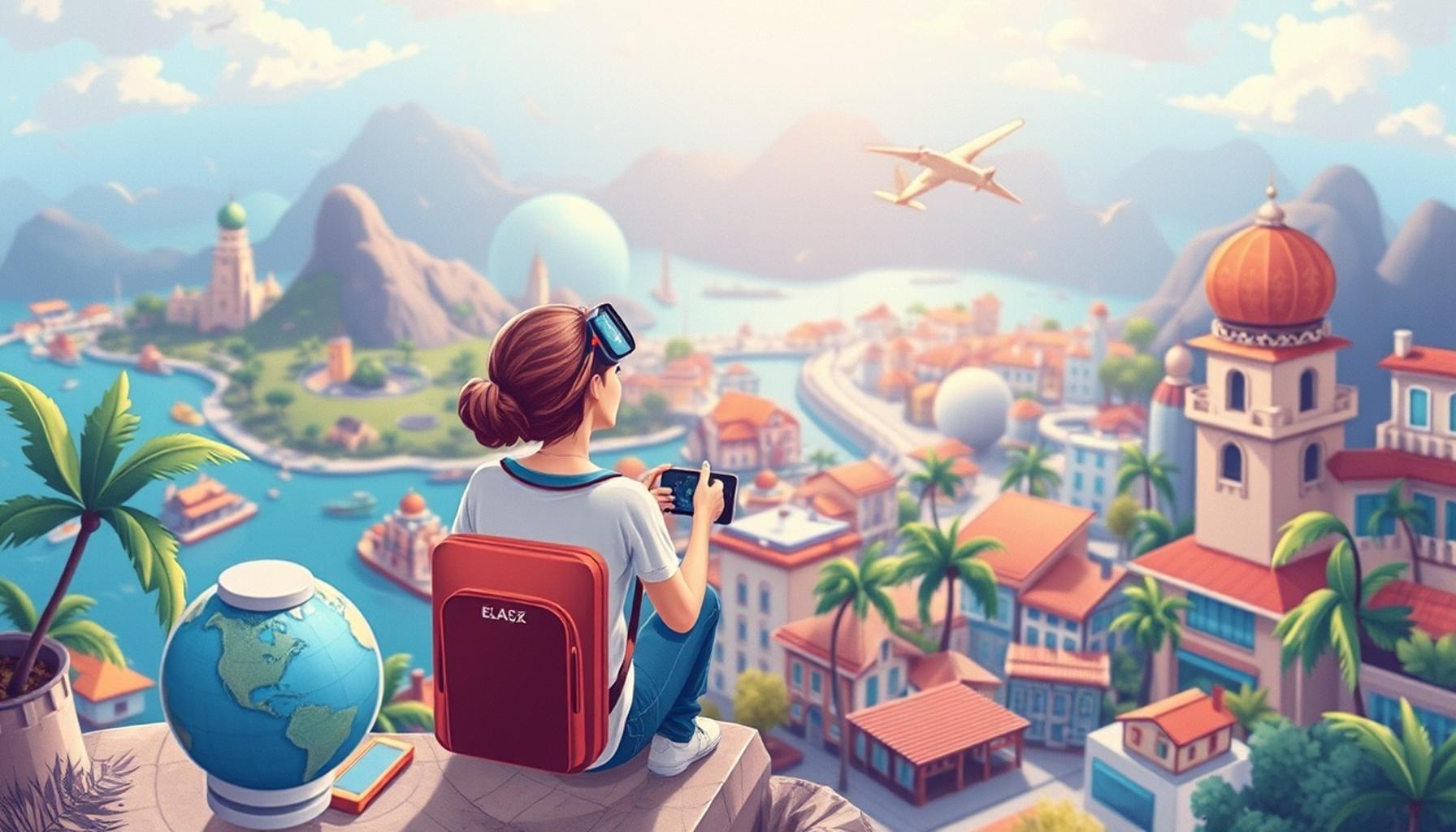
In recent years, the way we experience travel has undergone a transformation, primarily due to the advent of Virtual Reality (VR). This groundbreaking technology allows users to immerse themselves in different environments, providing a powerful substitute for traditional travel. Imagine diving into the depths of the Great Barrier Reef, navigating through the bustling streets of Tokyo, or standing before the majestic pyramids of Egypt—all from your couch. The possibilities are virtually limitless and incredibly enticing for those unable to travel for various reasons.
Access to Inaccessible Locations
One of the standout advantages of VR is its ability to grant access to locations that are often difficult or impossible to reach. For example, consider individuals with mobility challenges, who may dream of hiking the serene trails of the Rocky Mountains or exploring ancient ruins atop a cliffside. With VR, experiences such as walking through the ancient city of Petra or witnessing the Northern Lights can be simulated in vivid detail. Companies like Oculus and HTC Vive have created VR apps that offer breathtaking 360-degree views of these iconic sites, allowing users to feel as if they are truly present at these awe-inspiring locations.
Affordable Adventures
Traveling can be a luxury that many can’t afford, especially when factoring in costs such as flights, accommodations, food, and activities. With VR, travelers can visit luxurious spots like the beaches of Bora Bora or the opulent resorts of Santorini without the accompanying financial burden. Applications and platforms, such as Wander or Google Earth VR, enable users to explore these destinations at a fraction of the cost, emphasizing both affordability and access. This can be particularly appealing for families looking to introduce their children to world cultures without the hefty price attached to physical trips.
Environmental Impact
Another essential benefit of VR is its potential to reduce our carbon footprint. Traditional travel contributes significantly to greenhouse gas emissions, particularly air travel. By using VR experiences, individuals can explore the world without contributing to environmental degradation. For instance, instead of flying to Australia to see the Great Barrier Reef, one can explore its wonders through VR, helping to preserve natural habitats while still enjoying the breathtaking views and marine life.
Cultural Understanding and Awareness
Beyond mere sightseeing, VR also fosters deeper cultural understanding. Users can engage in virtual tours that showcase local festivals, traditional dances, and everyday life in diverse cultures. Programs like the “Google Arts & Culture” initiative allow users to visit museums and historical sites, featuring rich narratives that educate about cultural significance. This educational component encourages empathetic engagement with communities worldwide, creating a learning experience that can inspire real-world travel once circumstances allow.
As we navigate this evolving landscape, it becomes clear that VR is more than just a novelty; it is a tool for exploration, education, and empathy. The experiences offered by this technology are reshaping tourism by making it more accessible and enriching. While nothing can entirely replace the feel of the sand between your toes or the sound of foreign languages surrounding you, VR presents an exciting alternative that satisfies our wanderlust while providing convenience and inclusivity.
DISCOVER MORE: Click here for a simple application guide
Unlocking New Horizons with Virtual Reality
In an age where travel has become an integral part of our lives, the emergence of Virtual Reality offers travelers the chance to delve into destinations that were once out of reach. This technology essentially enables users to explore, experience, and engage with places across the globe in a way that surpasses traditional travel limitations. For many individuals facing physical, financial, or logistical barriers, VR transforms dream destinations into achievable experiences right from their living rooms.
Transforming Limitations into Opportunities
Individuals with mobility challenges, health issues, or financial constraints often feel constrained in their travel aspirations. The beauty of VR is its ability to level the playing field, providing access to a range of iconic destinations, including:
- The Great Wall of China: Experience the staggering lengths of this historical marvel without the fatigue of hiking.
- Safari in Kenya: Witness majestic wildlife in their natural habitat from the comfort of your home.
- The Amazon Rainforest: Traverse through one of the most biodiverse regions on Earth without facing the challenges of travel logistics.
This means that anyone with an interest can have the opportunity to witness these incredible places. For instance, an older person who might find it exhausting to visit such destinations can now enjoy dynamic virtual experiences of these locations through engaging simulations. It’s a safe and accessible way to encounter the wonders of our planet, fulfilling dreams that may otherwise remain unrealized.
Engaging with 360-Degree Experiences
Thanks to advancements in technology, VR platforms provide incredibly immersive experiences that transport users into their chosen destinations. Applications like Google Earth VR and Wander allow participants to navigate through stunning landscapes and historical sites using advanced 360-degree visuals. Users can literally look around, gaze skyward, or zoom in on intricate details, making them feel as though they are genuinely present in these locations. This level of engagement is crucial, especially for those who may struggle with traditional travel due to bodily limitations or apprehensions about exploring the unknown.
Accessibility for All
The social implications of VR in tourism are profound, as this technology champions inclusivity in travel experiences. Families with small children or elderly members can comfortably explore international destinations without the hassle of planning an entire trip. Additionally, educators are beginning to incorporate VR tours into their curricula, enriching lessons about geography and culture by exposing students to remote corners of the world without ever leaving the classroom.
As we embrace these innovations, it’s evident that VR is changing how we collaborate with our world. It offers a unique blend of adventure, education, and emotional connection to places that many might never see in person. With each immersive experience, the walls that confine us can begin to dissolve, allowing us to appreciate our shared planet like never before. The journey into this new frontier of tourism is just beginning, promising excitement and endless exploration ahead.
DIVE DEEPER: Click here for a step-by-step guide
Enhancing Travel Planning and Decision Making
Beyond the immediate experience of virtual travel, Virtual Reality is shaping how people plan and select their future vacations. VR allows potential travelers to preview destinations, accommodations, and activities in a way that static images and videos simply cannot replicate. With platforms meticulously designed for travel planning, users can explore hotels and attractions, engaging with 3D-rendered environments that depict space and ambiance accurately. This technology empowers individuals to make informed decisions about where to go, what to see, and where to stay.
Transforming Travel Agencies
Travel agencies are also leveraging VR to enhance their client offerings. Firms such as Virtuoso have integrated VR tools into their sales process, enabling travel advisors to curate personalized experiences for their clients. Imagine walking through a luxurious resort in the Caribbean or soaking in the sights of the Eiffel Tower from your agent’s office. By providing clients with these unique glimpses, agencies can inspire confidence in bookings, ultimately bolstering client satisfaction and loyalty.
A Tool for Cultural Immersion
One of the most significant advantages of VR is its ability to create profound cultural interactions. Users can engage in local customs and traditions through immersive experiences, such as participating in a traditional Japanese tea ceremony or joining a festival in Brazil. Educational VR programs like Joanne’s Cultural Tours allow individuals to witness events from various cultures around the world, all from their screens. This rich cultural exposure can deepen a traveler’s appreciation for diversity and foster a sense of global community, enhancing overall understanding and empathy.
Collaboration Between Businesses and Artists
The rise of VR in tourism has prompted innovative collaborations between businesses and artists. Virtual art exhibitions and interactive performances offer tourists the chance to experience local artistry in real-time, encouraging them to support creators even if they cannot physically visit the location. This also opens doors for lesser-known locales to showcase their culture to a global audience, as seen with projects like Virtual Art Walks in local communities, which connect artists and cuisines unique to those regions.
Addressing Environmental Concerns
As environmental issues increasingly dominate discussions around travel, VR serves as a sustainable alternative that raises awareness. With its capability to simulate ecstatic travel experiences while minimizing carbon footprints, VR contributes to a more responsible tourism model. Virtual experiences enable individuals to appreciate natural wonders, such as the Great Barrier Reef or national parks, without impacting these fragile ecosystems. Many organizations are utilizing VR experiences to educate travelers about conservation efforts, making them more informed choices once they are able to travel.
Overall, the incorporation of Virtual Reality into tourism not only creates exceptional experiences but also emphasizes preparedness, cultural understanding, and environmental awareness. As we embrace this technology, the possibilities of exploring the world without leaving home continue to expand, bridging the gap between dreams and reality like never before.
LEARN MORE: Click here to discover the key to safeguarding your investments
Conclusion
In conclusion, Virtual Reality has emerged as a groundbreaking tool in the tourism sector, offering innovative ways to experience the world without the need for physical travel. By providing immersive previews of destinations, accommodations, and cultural experiences, VR empowers travelers to make more informed choices about their trips. This technology not only revolutionizes travel planning, making it more engaging and personalized, but also enhances **cultural immersion**, allowing users to appreciate global diversity from their homes.
Furthermore, the collaboration between businesses and artists within the VR landscape has created unique opportunities for local communities to showcase their cultures and artistry. This democratizes access to tourism, supporting lesser-known locales and minimizing the environmental impact associated with traditional travel. As virtual experiences gain traction, they also serve to raise awareness about the importance of conservation and responsible tourism.
Ultimately, while nothing can fully replicate the joy and spontaneity of travel, Virtual Reality is undoubtedly a powerful ally in expanding our horizons. It enables us to explore inaccessible destinations and engage with the world in a meaningful way. As we move forward, the continued integration of VR in tourism will not only enrich our travel experiences but also foster a greater understanding and appreciation of our shared global heritage. As technology evolves, so too does the way we connect with our world, bringing the beauty of far-off places closer than ever before.

Linda Carter
Linda Carter is a writer and expert known for producing clear, engaging, and easy-to-understand content. With solid experience guiding people in achieving their goals, she shares valuable insights and practical guidance. Her mission is to support readers in making informed choices and achieving significant progress.