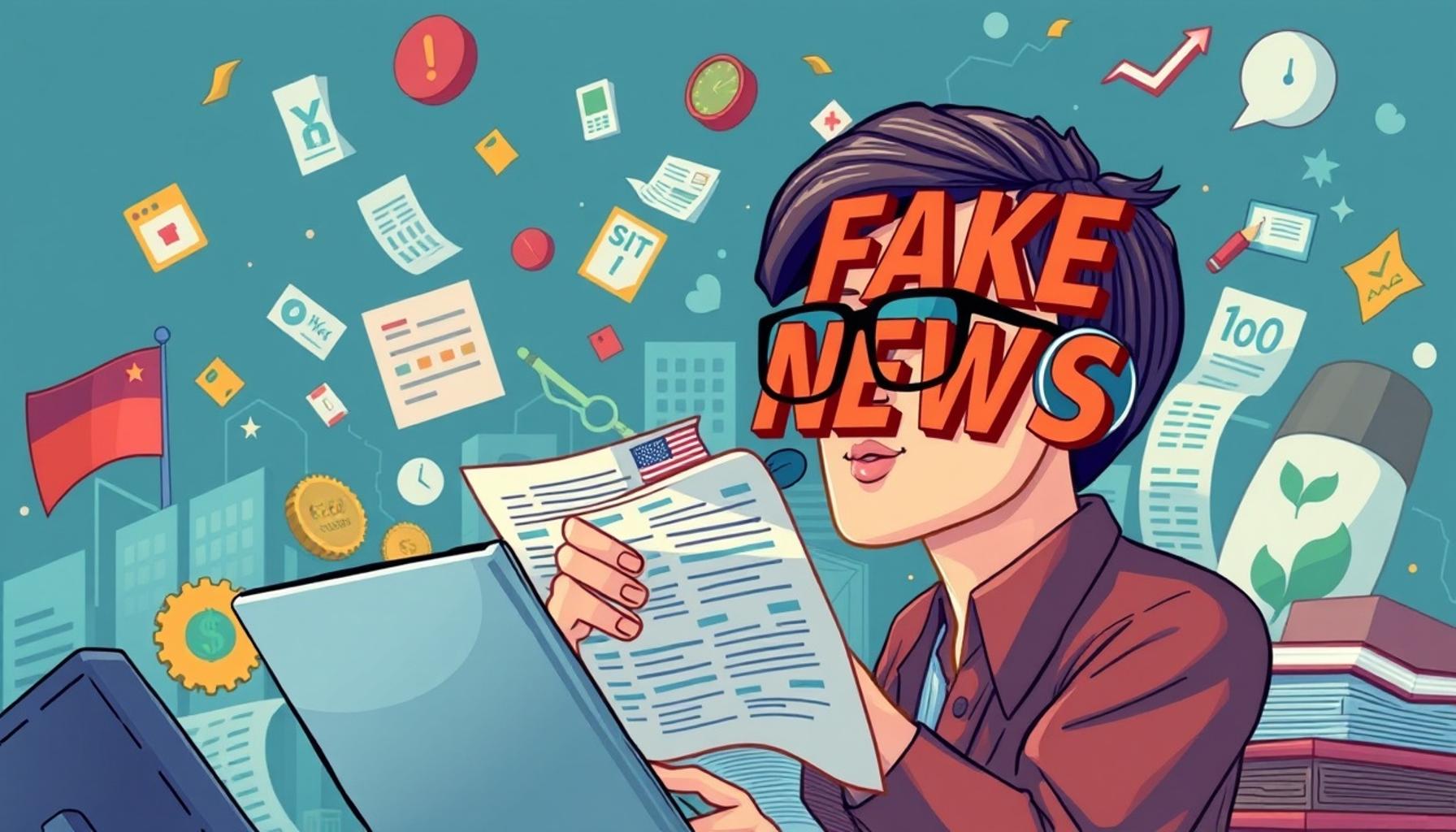
The Influence of Social Media on the Formation of Public Opinion

Understanding Social Media’s Influence on Public Opinion
In the landscape of modern communication, social media platforms such as Facebook, Twitter, Instagram, and TikTok have revolutionized how information is disseminated and absorbed. These platforms, with their extensive user bases that amount to billions worldwide, serve as arenas where public discourse unfolds, opinions are formed, and societal trends emerge. The implications of this shift are profound, making it imperative for individuals to comprehend how social media influences public sentiment.
One significant aspect of social media’s impact is the accessibility of information. Traditional media outlets typically filter content before it reaches the public, but social media breaks down these barriers, allowing anyone with internet access to share their perspective. For instance, during events like protests or social movements—such as the Black Lives Matter movement—individuals can broadcast real-time updates and stories from their own experience, promoting a more comprehensive understanding of the issues at hand.
The engagement and interaction found on social media platforms further amplifies this influence. Users can actively participate in discussions by liking, sharing, and commenting on posts. This interaction not only validates opinions but can also shift public sentiment. For example, a tweet from a public figure that sparks heated debate can quickly go viral, leading to a mass mobilization of support or opposition among users. The collective nature of this engagement can create echo chambers—where similar viewpoints are amplified—often leading to polarization of opinions.
Another essential factor is algorithmic curation. Social media companies employ algorithms designed to tailor content to a user’s preferences and behaviors. This means users are frequently presented with information that aligns with their existing beliefs. While this can enhance user experience, it also risks reinforcing biases and limiting exposure to diverse perspectives. For example, if a user consistently engages with politically charged content, the algorithm will likely prioritize similar posts, potentially narrowing their worldview.
The influence of public figures and influencers is also critical in shaping public opinion. Celebrities and social media influencers wield considerable power, as their endorsements or criticisms can lead to significant shifts in follower behavior and beliefs. An influencer promoting mental health awareness can incite a wave of conversations on that topic, while a celebrity weighing in on a political issue can galvanize support or push back against specific policies.
In summary, understanding social media’s role in shaping public opinion involves recognizing the complex interplay of information accessibility, user interaction, algorithmic biases, and the influence of prominent figures. As users, it is crucial to navigate these platforms with a discerning eye, questioning the sources of our information and seeking out varied perspectives. By doing so, we can contribute to a more informed and inclusive public discourse in our increasingly interconnected world.
DISCOVER MORE: Click here to dive deeper
Factors Shaping Public Opinion in the Age of Social Media
To fully grasp the influence of social media on public opinion, it is essential to delve into the factors that enable this phenomenon. The dynamics of online communication have fundamentally altered how individuals encounter and interact with information, resulting in changes in attitudes and beliefs. Below are some of the key factors that play a significant role in this process:
- Information Overload: With the vast amount of content generated every minute on social media, users can easily feel overwhelmed. This information overload can lead to a selective exposure where individuals only engage with content that resonates with them, thus reinforcing existing beliefs. For example, during election cycles, users may follow accounts that align with their political views, creating a bubble that limits their exposure to differing opinions.
- Virality of Content: The nature of social media allows for quick dissemination of information, meaning that compelling content can spread like wildfire. Memes, videos, and tweets can captivate attention and spark discussions at an unprecedented pace. A single viral post can sway public opinion on critical issues, as seen in movements like #MeToo, where individuals shared their stories, rapidly increasing awareness and altering public perspectives on sexual harassment.
- Peer Influence: Social media platforms often enhance the influence of peer groups. Users are highly engaged with their friends’ online activities, making the opinions of peers crucial in shaping individual viewpoints. A person might change their stance on social issues simply because they see friends express certain beliefs or share relatable content. This phenomenon is especially potent among younger demographics, who often seek validation from their online peers.
- Emotional Connections: Emotional content tends to resonate more deeply with audiences, fostering connections and stimulating responses. Posts that evoke strong emotions such as anger, joy, or compassion are more likely to be shared and discussed. For instance, content that presents personal stories of triumph or struggles can energize communities and prompt collective action, significantly impacting public opinion on related issues.
These factors highlight the multi-dimensional nature of social media’s influence on public opinion. The way users interact with content, the speed at which information travels, and the emotional weight behind messages all contribute to shaping how opinions are formed and transformed. As social media continues to evolve, understanding these mechanics becomes crucial for navigating the intricate web of public sentiment and ensuring that personal viewpoints remain informed and reflective of diverse perspectives.
DON’T MISS: Click here to discover essential strategies
Challenges and Implications of Social Media on Public Discourse
While social media has undeniably transformed public opinion formation, it also presents significant challenges that must be addressed. These challenges often stem from the very features that enable social media’s influence. Understanding these implications is crucial for navigating the complex landscape of public discourse in the modern age.
- Echo Chambers and Confirmation Bias: As users curate their online experiences, they often find themselves in echo chambers, spaces where only similar views are shared, and dissenting opinions are either ignored or vilified. This phenomenon can lead to a heightened sense of certainty in one’s beliefs, regardless of factual accuracy. For instance, during the COVID-19 pandemic, various conspiracy theories gained traction primarily within echo chambers, compromising public trust in scientific guidance. This illustrates how social media can perpetuate misinformation, making it increasingly challenging for individuals to differentiate between credible information and false narratives.
- The Role of Algorithms: Social media platforms employ algorithms designed to maximize user engagement, often prioritizing sensational and emotionally charged content over balanced reporting. These algorithms can inadvertently contribute to the polarization of views, as users are repeatedly shown content that aligns with their preferences, further entrenching existing beliefs. In the political arena, a user who engages with partisan content is likely to receive more of the same, limiting their perspective and understanding of the broader discourse.
- Manipulation and Propaganda: The accessibility of social media also opens the door for manipulation by various groups, including foreign actors and political campaigns. Instances of disinformation campaigns highlight how social media can be used to sow division and confusion among the public. For example, during the 2016 United States presidential election, social media was a battleground for misinformation, with fake accounts and bots fueling narratives that could influence voter perceptions and behavior.
- The Deterioration of Civil Discourse: The often-anonymous nature of social media interactions can lead to a decline in civil discourse. Users may feel emboldened to express extreme opinions or engage in hostile debates that they might avoid in face-to-face interactions. This toxic environment can discourage productive discussions and limit the potential for consensus-building on important social issues.
These challenges underscore the necessity of critical engagement with social media content. Users must be aware of their own biases and the potential for manipulation within digital spaces. Furthermore, fostering digital literacy, which includes understanding the mechanics of social media platforms and the tactics used to influence public opinion, is vital in empowering individuals to make informed decisions and participate actively in public discourse. As the landscape of social media continues to evolve, so too must our approaches to engaging with it, ensuring that it serves as a tool for constructive dialogue rather than a source of division and misinformation.
DISCOVER: Click here to learn how to apply online
Conclusion
In summary, social media has profoundly redefined how public opinion is formed, offering both exhilarating opportunities and daunting challenges. It has democratized information sharing, allowing diverse voices to contribute to societal discussions. However, the rise of echo chambers and the persuasive power of algorithms can distort reality, leading to a populace that is more confident in their views despite potential misinformation. This paradox highlights the critical need for diligent media consumption. Users must actively seek out varied sources of information to combat biases and broaden their perspectives.
Moreover, the emergence of manipulation tactics and disinformation campaigns poses a significant threat to informed public discourse, as evidenced by notable events like the 2016 U.S. presidential election. It calls for a collective responsibility to prioritize transparency and accountability within social media platforms. Providing individuals with the tools for digital literacy is essential, enabling them to recognize and challenge misleading narratives effectively.
As we navigate this evolving landscape, it is imperative to foster a culture of civil discourse. Engaging in meaningful conversations, even with those who hold differing viewpoints, can bridge divides and enhance mutual understanding. Ultimately, while social media has changed the game of public opinion formation, our individual and collective efforts can guide it towards a more constructive and informed path. Embracing these challenges, along with a commitment to active participation, will better equip us to harness social media’s potential as a catalyst for positive societal change.

Linda Carter
Linda Carter is a writer and expert known for producing clear, engaging, and easy-to-understand content. With solid experience guiding people in achieving their goals, she shares valuable insights and practical guidance. Her mission is to support readers in making informed choices and achieving significant progress.