
Smart Cities: The Role of Digital Innovation in the Future of Urban Mobility
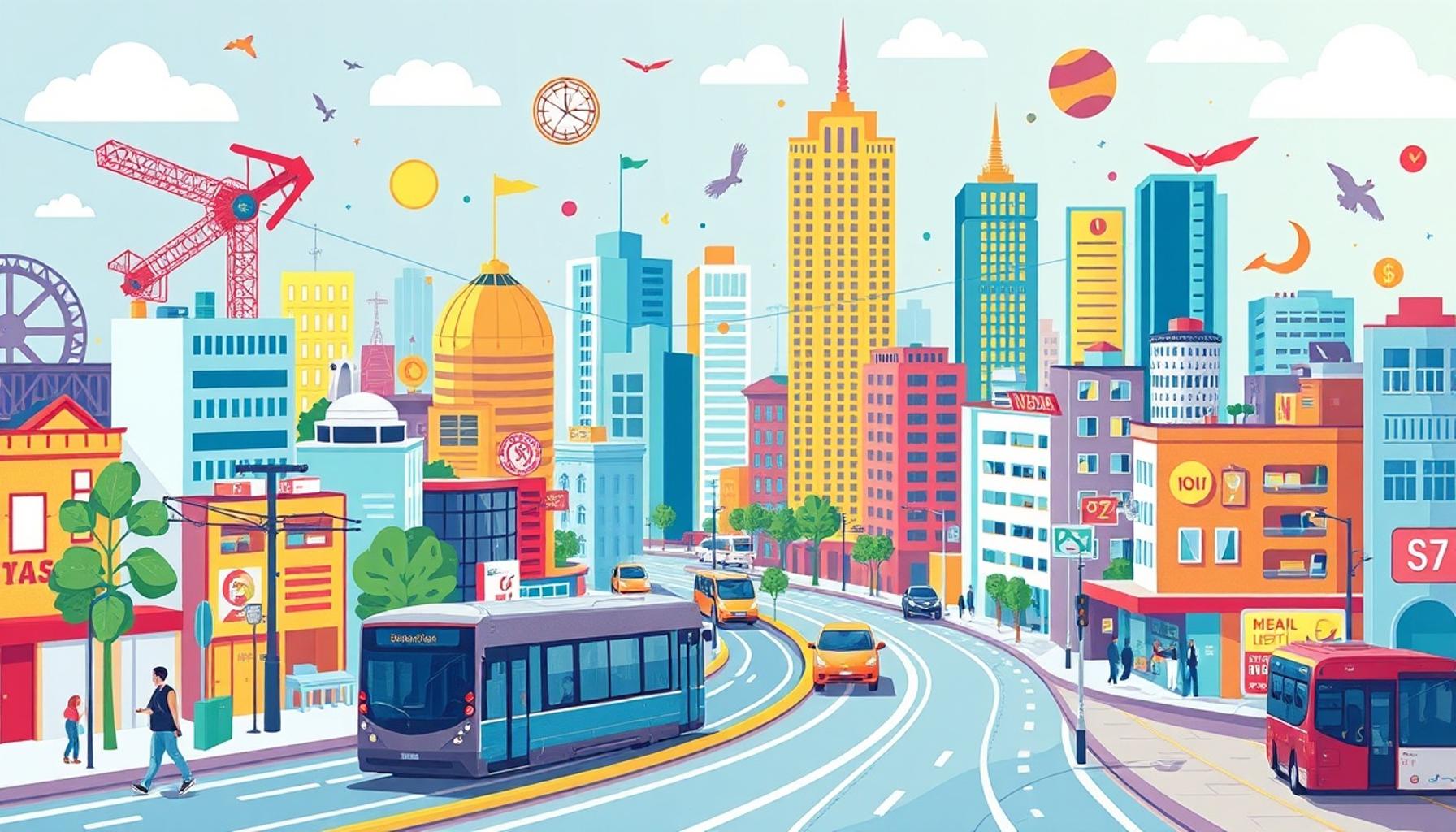
The Importance of Urban Mobility Innovations
As urban populations swell, the challenges of transportation become increasingly complex. In many American cities, traffic congestion can lead to longer commute times, increased air pollution, and diminished quality of life. Here, the concept of smart cities emerges as a beacon of hope, leveraging digital innovation to create cohesive transportation solutions that resonate with the needs of residents and visitors alike.
Intelligent Transportation Systems (ITS) represent one of the cornerstone technologies in this transformation. By incorporating sensors and data analytics, ITS can analyze real-time traffic conditions, adjusting traffic signals to optimize flow. For instance, cities like San Francisco use advanced algorithms to manage traffic light timings based on current road usage; this technique has been shown to reduce waiting times by up to 30%. Such innovations do not just save time but also significantly cut down carbon emissions by minimizing stop-and-go driving.
Another vital aspect of urban mobility is the rise of shared mobility services. Through platforms like Uber and Lyft, residents can conveniently access rideshare options that alleviate the burden of car ownership. These services not only lower traffic congestion but also promote a cultural shift towards more sustainable transportation methods. In fact, studies show that individuals who use ride-hailing services tend to drive less, translating into reduced greenhouse gas emissions and lower energy consumption.
The advent of electric and autonomous vehicles further enhances the urban mobility landscape. Companies such as Tesla and Waymo are pioneering the development of self-driving cars that promise to improve road safety and reduce accidents caused by human error. In cities like Phoenix, Arizona, autonomous shuttle services are providing residents with efficient and eco-friendly transit options, showing that these technologies can integrate seamlessly with existing urban infrastructures.
As American cities continue to adopt these innovations, we witness a reimagining of urban planning. Imagine smart traffic lights that adapt to real-time conditions, or public transport systems that are integrated with mobile applications for easier route planning and payment. Such advances are not merely futuristic concepts; they are already transforming daily life in cities across the nation.
This article will delve deeper into how these digital innovations are not just enhancing the convenience of urban mobility, but are also paving the way for a more sustainable and interconnected future in transportation. With these tools at our disposal, we can look forward to cities that not only move people efficiently but also enhance their overall quality of life.
DISCOVER MORE: Click here to learn about the rise of green finance
Revolutionizing Public Transportation
Public transportation remains a vital component of urban mobility, and its evolution is crucial to the development of smart cities. Traditional systems often face challenges such as scheduling inefficiencies, overcrowding, and limited accessibility. However, with the integration of digital technologies, transit agencies are beginning to address these issues head-on.
One of the most notable advancements in public transportation is the use of real-time tracking systems. By equipping buses and trains with GPS devices, transit authorities can provide users with live updates through mobile applications. For instance, cities like New York and Chicago offer apps that allow passengers to track their vehicles in real time, significantly reducing the uncertainty that can accompany public transit. This not only enhances rider convenience but also encourages more people to utilize public transport instead of personal vehicles, thereby reducing traffic congestion.
Moreover, innovations such as mobile ticketing solutions have streamlined the process of purchasing fare. Instead of fumbling for cash or waiting in line, passengers can easily buy their tickets via smartphones. This shift towards digital ticketing has been embraced in cities like San Francisco, where the Clipper Card enables seamless transfers across various transit systems. The simplification of fare payment removes barriers for many potential users, encouraging greater utilization of public transportation options.
Integration of Multimodal Transport
Another promising trend in smart urban mobility is the idea of multimodal transport integration. This approach allows individuals to seamlessly switch between different transportation modes—such as buses, trains, bicycles, and rideshares—within a single journey. By fostering an ecosystem that encourages connectivity, cities can create more efficient and user-friendly travel experiences.
- Bike-sharing programs: Cities like Minneapolis have implemented bike-sharing systems that enable residents to rent bikes for short trips, facilitating last-mile connectivity.
- Mobility as a Service (MaaS): This concept combines various forms of transport into a single accessible platform, allowing users to plan and pay for their journeys with ease. Cities such as Helsinki are leading the way in this initiative.
- Integrated payment systems: A cohesive payment method for different transport modes reduces friction for users, making it more likely for them to choose public transit over private vehicles.
As urban areas adopt these innovations, the potential for enhancing mobility becomes increasingly apparent. Cities can begin to manage transportation systems holistically, taking a data-driven approach to address the complexities associated with public transit. The result is not only a more efficient travel experience for residents but also a significant step towards reducing urban carbon footprints and promoting sustainable practices.
Ultimately, the fusion of technology and public transportation underscores the essence of smart cities: creating inclusive environments where residents can move freely, efficiently, and sustainably. The future of urban mobility lies in the continuous development of these digital innovations, presenting a path towards smarter and more livable cities across America.
DIVE DEEPER: Click here to uncover more about virtual reality in architecture
Enhancing Accessibility Through Digital Solutions
Accessibility is a critical aspect of urban mobility, ensuring that all city residents, including those with disabilities and the elderly, can navigate their environments efficiently. As cities embrace digital innovation, opportunities to enhance accessibility abound, transforming how residents interact with public and private transportation systems.
One innovative solution is the use of inclusive design principles integrated into transportation apps. For example, ride-hailing services like Uber have started incorporating features specifically designed for individuals with disabilities. Options for requesting wheelchair-accessible vehicles, along with detailed information on vehicle accessibility, empower users to make informed decisions about their travel. This responsiveness not only improves transport accessibility but also builds trust within these communities.
Moreover, cities are investing in smart signage and wayfinding solutions that cater to diverse populations. Interactive digital displays in transit hubs can guide commuters, providing real-time directions, transit information, and tactile assistance for those with visual impairments. For instance, New York City’s Transit Authority has begun implementing touch-screen kiosks that offer navigational support tailored to the specific needs of all passengers.
Data-Driven Transportation Planning
Another advantage of digital innovation lies in its capacity to generate and analyze vast amounts of data, which can inform transportation planning and policy-making. By harnessing data collected through GPS systems, social media, and existing public transport usage patterns, city planners can gain invaluable insights into travel behaviors and needs. This information can lead to better routing, adjusted transit frequencies, and even the development of new transport options.
- Predictive analytics: Cities like Los Angeles utilize predictive analytics to optimize bus routes according to passenger demand patterns. By analyzing historical data, transport agencies can proactively modify schedules and routes to meet user needs effectively.
- Surveys and feedback mechanisms: Digital platforms allow for real-time feedback from residents about their travel experiences. This information is critical for continuously assessing service quality and implementing necessary improvements. Some cities are utilizing mobile apps that prompt users to give instant feedback after using transit services.
- Automated demand response systems: These systems can adjust transport options based on real-time demand, enhancing service efficiency. For example, cities like Phoenix have piloted on-demand shuttle services that operate in response to rider requests, thus ensuring optimal resource allocation.
The strategic use of data not only enhances efficiency but also contributes to a more responsive transit system that adapts to the changing dynamics of urban mobility. By integrating digital solutions, cities can ensure a sustainable transport landscape that meets the evolving needs of their populations.
Furthermore, as cities adopt smart approaches to accessibility and data-driven planning, they create a framework where every resident feels valued and connected. Such considerations are essential in fostering inclusive communities, ultimately leading to a more cohesive urban environment where everyone can thrive.
DISCOVER MORE: Click here to dive deeper
Conclusion
In conclusion, the evolution of urban mobility within the framework of smart cities is being profoundly shaped by digital innovation. As we have explored, integrating technology into urban transportation not only enhances efficiency but also ensures greater inclusivity. From ride-hailing services designed for individuals with disabilities to real-time data analytics that optimize transit routes, cities are making strides toward more accessible and user-centered approaches.
The transformation of urban mobility is not solely about technology; it is about improving the quality of life for all residents. With the implementation of smart signage, wayfinding solutions, and real-time feedback mechanisms, cities are becoming more adept at catering to diverse populations. These advancements ensure that the needs and voices of residents are heard and addressed, fostering a sense of community and belonging.
Moreover, the future of urban mobility demands an ongoing commitment to sustainability and adaptability. As cities continue to evolve, embracing new technologies while incorporating feedback from the community will be crucial. It is essential for urban planners and policymakers to remain innovative and responsive to the changing mobility landscape, ensuring that everyone can navigate their city safely and efficiently.
Ultimately, leveraging digital innovation in urban mobility not only paves the way for improved transportation systems but also lays the groundwork for more cohesive, livable communities. The journey towards smarter cities is just beginning, and by prioritizing inclusivity and sustainability, we can look forward to a future where urban mobility truly serves all inhabitants.

Linda Carter
Linda Carter is a writer and expert known for producing clear, engaging, and easy-to-understand content. With solid experience guiding people in achieving their goals, she shares valuable insights and practical guidance. Her mission is to support readers in making informed choices and achieving significant progress.