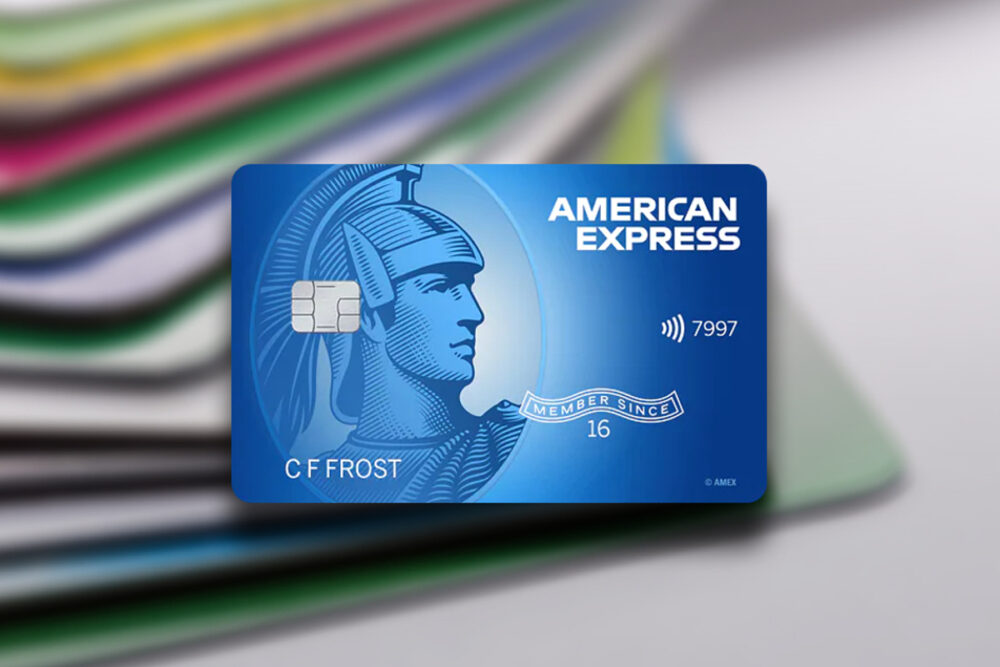
How to Build a Strong Credit History Using Credit Cards

The Importance of Establishing Credit
Establishing a strong credit history is essential for financial success. A good credit score can open doors to better loan rates, housing opportunities, and much more. One of the most valuable tools in this journey is the credit card.
Credit cards are not just a means for purchases; they play a critical role in shaping financial health. They allow individuals to demonstrate responsible borrowing behavior and serve as a key element in building a credit profile. As a consumer, understanding the various components that contribute to a positive credit score can greatly influence your financial future.
Key Factors Contributing to a Strong Credit Score
Several factors take center stage when it comes to managing credit cards effectively. Here are some key reasons why using credit cards wisely matters:
- Payment History: Your payment history makes up a significant portion of your credit score. Consistently making on-time payments helps build a positive track record. For instance, if you have a credit card bill due date aligned with your payday, you can set reminders to ensure your payments are made promptly.
- Credit Utilization: This ratio, which compares your total credit card balances to your total credit limits, is crucial. Keeping balances low—ideally under 30% of your total available credit—demonstrates responsible borrowing. For example, if you have a credit limit of $10,000, try to maintain a balance of below $3,000 to showcase your ability to manage credit effectively.
- Length of Credit History: The age of your accounts plays a role in enhancing your overall credit score. Older accounts positively contribute to establishing a trustworthy credit profile. If possible, avoid closing old credit accounts, even if they are underused, as they can help maintain a longer average account age.
When used correctly, credit cards can significantly enhance your credit profile. For instance, rewards programs or cash-back options incentivize making purchases while building credit. By strategically using a credit card for regular expenses, such as groceries or utility bills, and paying off the balance in full each month, you not only avoid accumulating debt but also bolster your credit history.
Making Credit Cards Work for You
Understanding the nuances of credit card management will help you take control of your financial narrative. Consider setting up automatic payments to ensure you never miss a payment and to establish a reliable history of on-time payments. Additionally, regularly monitoring your credit report can alert you to any inaccuracies or potential fraud, allowing you to address issues proactively.
In conclusion, credit cards, when wielded wisely, can be powerful tools in building and maintaining a robust credit history. The benefits of establishing a strong credit score can lead to lower interest rates on loans, better rental agreements, and even employment opportunities. Therefore, taking the time to learn and implement smart credit card strategies can have profound implications for your financial future.
CHECK OUT: Click here to learn how to apply
Strategies for Effective Credit Card Use
Building a strong credit history using credit cards involves more than just getting approved for one. It requires a comprehensive approach to how you use and manage your credit. Here are several strategies to optimize your credit card usage and enhance your credit profile:
- Choose the Right Card: Before diving into using credit cards, it’s essential to select one that aligns with your financial goals. Research various cards and consider factors like rewards, interest rates, annual fees, and terms. For instance, if you frequently travel, a card that offers travel rewards can provide significant benefits. Alternatively, a no-annual-fee card may be ideal for those just starting.
- Limit Your Applications: While it might be tempting to apply for multiple credit cards to maximize your credit limit, each application triggers a hard inquiry on your credit report, which can temporarily lower your score. It’s advisable to be strategic about applying for new credit. Consider space out your applications over several months to minimize adverse effects on your score.
- Pay More than the Minimum: While it’s vital to make at least the minimum payment on your credit card, paying more than that can significantly reduce interest costs and enhance your credit score. Even an extra $20 can have a positive impact on your credit utilization ratio and minimize the overall debt accumulated.
- Stay Organized with Payment Reminders: Keeping track of due dates can be challenging, especially if you have multiple cards. Setting up reminders or automatic payments for your due dates can ensure you never miss a payment. Moreover, timely payments are crucial for a healthy credit history, affecting 35% of your credit score.
It’s important to be aware that your credit utilization ratio is calculated based on your current outstanding balance versus your total available credit. Aiming for a low credit utilization, ideally under 30%, not only reflects responsible financial behavior but also positively influences your credit score. If you inadvertently exceed this threshold, consider making payments multiple times a month to keep your utilization in check.
Take Advantage of Credit Card Benefits
Many credit cards come with a suite of benefits that can help you manage your finances and protect your purchases. For example, some cards offer purchase protection, extended warranties, and even insurance coverage for travel. Engaging with these perks can save you money in the long run while also demonstrating responsible credit management.
Furthermore, regularly reviewing your credit card statements can help you track your spending habits. By identifying areas where you may be overspending, you can adjust your budget accordingly, allowing for smarter financial decisions. Remember, the goal is not just to use credit but to use it wisely.
Creating a solid credit history through credit card use involves implementing these strategies and remaining consistent with your efforts. By making informed choices, such as selecting the right card and managing payments effectively, you are well on your way to establishing a robust credit profile that can serve you well in the future.
LEARN MORE: Click here for a step-by-step guide
Maintaining a Healthy Credit Mix
When it comes to building a strong credit history, one critical element to consider is the diversity of your credit accounts. While credit cards are a powerful tool, having a varied mix of credit types can enhance your credit profile. This concept is known as credit mix, and it makes up around 10% of your credit score. This means that integrating different types of credit, such as installment loans for vehicles or student loans alongside your credit cards, can be beneficial when establishing your financial reputation.
Moreover, lenders may view a mix of revolving credit (like credit cards) and installment credit (like mortgages or personal loans) as a sign of responsible financial management. However, this does not imply that you should take on unnecessary debt just to improve your credit mix. Instead, evaluate your current financial situation and consider how a new credit type may fit into your budget. For example, if you’re contemplating a home purchase, now might be an ideal time to explore getting a credit card while simultaneously maintaining your mortgage payments on time.
Regularly Monitor Your Credit Report
Your credit report provides a detailed overview of your credit history and is instrumental in understanding your credit status. In the United States, you are entitled to one free credit report per year from each of the three major credit bureaus – Equifax, Experian, and TransUnion. It’s wise to take advantage of this opportunity to check for any discrepancies that may negatively impact your credit score.
By regularly monitoring your credit report, you can identify and resolve potential errors swiftly. For instance, if you notice accounts that don’t belong to you or incorrect late payment records, disputing these errors promptly can help preserve your credit history. Furthermore, staying informed about your credit activity allows you to be proactive rather than reactive when it comes to managing your credit.
Build Relationships with Creditors
Another powerful strategy to consider is establishing relationships with your creditors. Many credit card companies offer features such as credit line increases for loyal customers, which can improve your credit utilization ratio—an essential component of your credit score. When you consistently pay your bills on time, stay within your credit limits, and demonstrate responsible behavior, creditors may reward you with higher credit limits, allowing you more flexibility in your spending.
Utilizing benefits from these relationships goes beyond just credit limits. Many issuers provide financial education or tools that can assist you in managing your budget and spending habits more effectively. Join loyalty programs, sign up for newsletters, and actively engage with your credit card issuer to make the most of these advantages.
Moreover, it is vital to consider proactive interactions like requesting credit limit increases strategically. If you’ve improved your creditworthiness over time, asking for an increase may yield favorable results and can reduce your overall utilization rate further while minimizing the temptation to overspend.
In summary, implementing a mix of strategies—such as maintaining a healthy credit mix, monitoring your credit report, and nurturing your relationships with creditors—can significantly aid in establishing stable and healthy credit. Each of these moves not only contributes to a solid credit history but empowers you in your financial journey, leading to countless opportunities for years to come.
DISCOVER MORE: Click here to learn about green finance
Conclusion
Building a strong credit history using credit cards is not just about responsible spending; it is a multifaceted strategy that requires planning, monitoring, and engagement with financial institutions. As we’ve discussed, essential components such as maintaining a balanced credit mix, keeping a vigilant eye on your credit report, and fostering relationships with your creditors play pivotal roles in cultivating your creditworthiness.
In today’s complex financial landscape, staying informed about your credit activities can empower you to make smarter financial decisions. Utilize the one free credit report you are entitled to annually to ensure the accuracy of your financial information, thus safeguarding your credit score from potential inaccuracies that could hinder your progress. Furthermore, as you cultivate relationships with your creditors, you can benefit from incentives that enhance your credit limits and overall financial flexibility.
Remember, the journey to a robust credit history is not a sprint but a marathon. Engage with your financial tools with intention and insight, and you may discover that small, consistent actions lead to significant benefits over time, including lower interest rates, easier loan approvals, and enhanced purchasing power. Each decision, from choosing the right card to strategically managing your debt, is an investment in your financial future.
In essence, the path to building a strong credit history is paved with knowledge, discipline, and proactive management. Arm yourself with the right information, and seize the opportunities that a solid credit profile can unlock. After all, a healthy credit history isn’t just about numbers—it’s about paving the way for greater financial opportunities and security in your life.