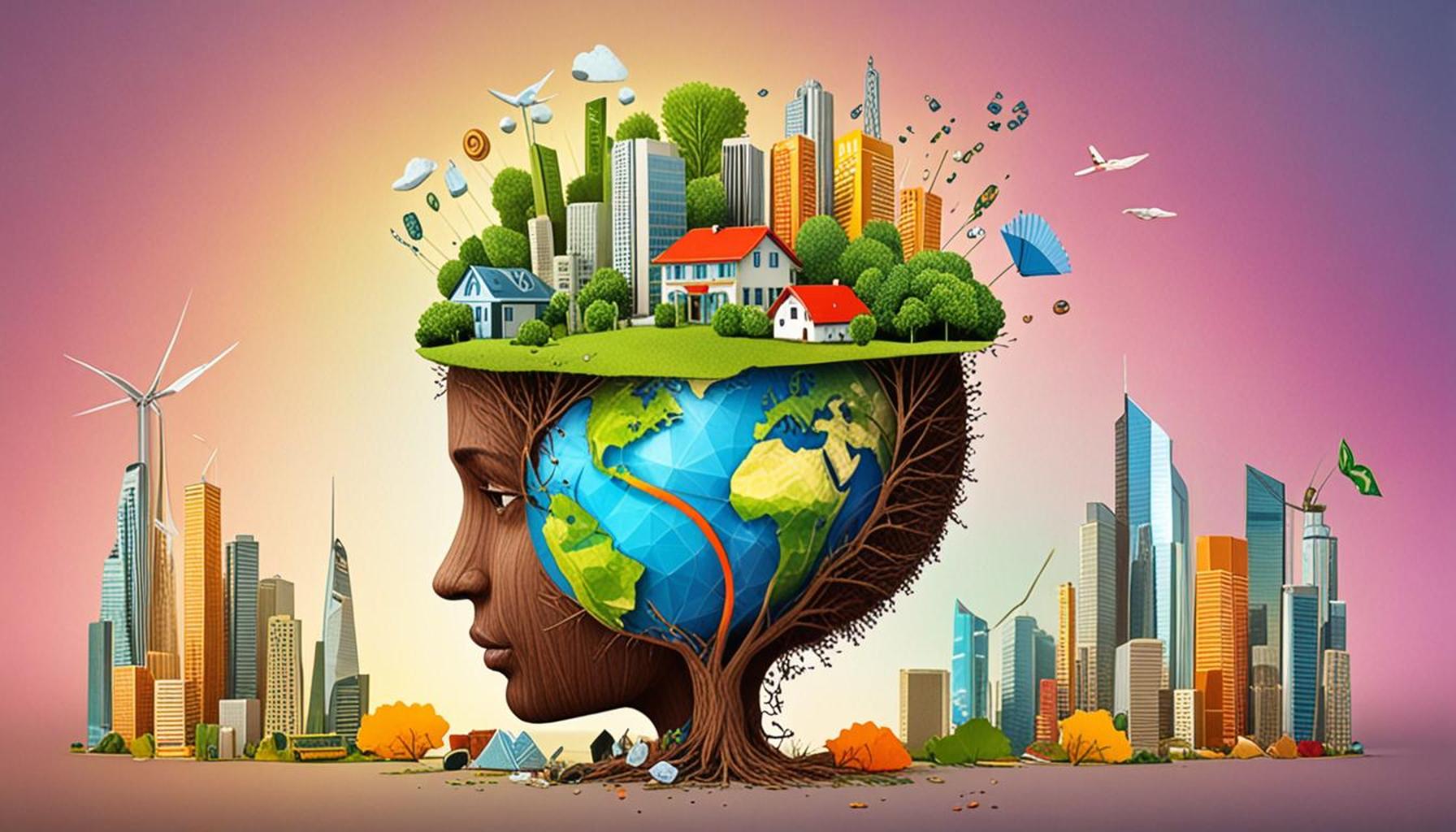
The Impact of Sustainable Technologies: Digital Innovation in Ecological Solutions
Introduction to the Impact of Sustainable Technologies
The integration of sustainable technologies into our daily lives is reshaping our approach to various environmental challenges that society faces today. Digital innovations have emerged as a powerhouse for providing effective solutions tailored to meet ecological needs. From reshaping energy consumption to enhancing agricultural practices, technology is at the forefront of enabling a more sustainable future.
In exploring the specific areas where technology is making a significant impact, we can understand the profound changes affecting our communities and economies.
Renewable Energy
Renewable energy sources like solar and wind are rapidly gaining traction. These technologies have advanced significantly due to the development of smart grids and energy storage systems. For example, smart grids utilize digital technology to monitor energy flow and balance supply and demand efficiently. This results in less wasted energy and reduces the carbon footprint associated with traditional energy sources. Homeowners can install solar panels that not only generate energy but also connect to these smart grids, allowing them to sell excess energy back to the grid, thus supporting both individual savings and the greater community.
Waste Management
Another essential area transformed by technology is waste management. Innovative recycling technologies are emerging, making it easier for communities to sort, process, and recycle materials. For instance, applications like Earth911 allow users to find nearby recycling centers and understand how to recycle various items properly. These technologies encourage a circular economy where products are reused and repurposed rather than discarded. This approach not only conserves resources but also reduces landfill waste, which is particularly critical as many U.S. cities face the challenge of increasing waste disposal rates.
Smart Agriculture
The agricultural sector is also experiencing a digital overhaul with smart agriculture. The Internet of Things (IoT), including devices like soil sensors and climate monitors, provides farmers with real-time data to inform their practices. Drones are being used to survey crops, assess health, and apply pesticides more efficiently, minimizing excessive usage and environmental runoff. For example, precision farming allows farmers to use exactly the right amount of water and nutrients needed at specific times, helping conserve resources while enhancing crop yield.
The adoption of these advanced technologies is more than just a commitment to environmental sustainability; it also serves as a catalyst for economic growth. Entrepreneurial ventures and startups focusing on sustainable solutions create job opportunities and stimulate local economies. By embracing digital tools and methods, society can pave the way for a better, more sustainable future that has the potential to benefit everyone.
As we delve deeper into each of these areas, it becomes evident that the synergy between technology and sustainability is not simply a passing trend, but a necessity for ongoing progress and a healthier planet.
DISCOVER MORE: Click here to learn about the link between finances and mental health
Transforming Industries with Sustainable Technologies
The continuing advancements in sustainable technologies are paving the way for innovative ecological solutions across various sectors. As we explore the implications of these advancements, we will uncover how different industries are adapting to incorporate technology in promoting sustainability. This not only addresses environmental challenges but also enhances operational efficiency and drives economic growth.
Transportation Innovations
The transportation sector is witnessing a technological revolution aimed at reducing carbon emissions and promoting energy efficiency. One prominent example is the rise of electric vehicles (EVs). With companies like Tesla leading the charge, EVs are becoming increasingly popular due to their reduced environmental impact compared to traditional gasoline-powered cars. Additionally, advancements in battery technology, such as improvements in lithium-ion batteries, are making electric vehicles more practical with longer ranges and quicker charging times.
Other innovations in transportation include:
- Car-sharing platforms: Services like Zipcar and Turo encourage car pooling, reducing the total number of vehicles on the road.
- Autonomous vehicles: Self-driving technology aims to optimize routes and improve fuel efficiency, thus lowering emissions.
- Smart public transportation: Apps that integrate real-time data help users plan efficient travel routes and reduce their reliance on single-occupancy vehicles.
Water Conservation Techniques
Access to clean water is a growing concern, and the implementation of smart water management systems is an impactful solution. These systems utilize IoT technology to monitor water usage, detect leaks, and optimize irrigation schedules. For instance, sensors placed in residential and agricultural settings can provide valuable data on soil moisture levels, enabling users to water crops or lawns more effectively and thus conserve precious water resources. As water scarcity becomes a pressing issue in many regions, these technologies represent a crucial step towards sustainable water practices.
Energy Efficiency in Buildings
The construction and real estate industries are also embracing digital innovation to improve energy efficiency. The rise of smart buildings, equipped with sensors and automation systems, allows for real-time monitoring of energy consumption and environmental conditions. For example, smart thermostats and lighting systems can adjust automatically based on occupancy or time of day, leading to reduced energy waste. Moreover, the integration of building energy management software has proven essential in identifying areas for improvement, driving down costs for homeowners and businesses alike.
By leveraging digital tools and approaches, industries can not only comply with environmental regulations but also benefit from substantial cost savings and enhanced marketability. The collective effort in embracing sustainability-driven innovations underscores a shared responsibility towards a healthier planet for future generations. Through further exploration, we will uncover additional areas where technology continues to foster ecological solutions and promote a sustainable future.
DISCOVER MORE: Click here to learn about the significance of financial planning</p
Empowering Agriculture Through Technology
Agriculture is another sector where sustainable technologies are making a significant impact, leading to a more efficient and responsible cultivation process. With the global population expected to reach nearly 10 billion by 2050, the demand for food is set to increase exponentially. Therefore, the adoption of precision agriculture is becoming increasingly vital. This approach utilizes data analytics, GPS technology, and IoT devices to optimize farming practices.
For example, farmers can use satellite images, drones, and soil sensors to monitor crop health and soil conditions. This valuable data allows them to make informed decisions about when to irrigate, fertilize, or apply pesticides, minimizing waste and reducing chemical runoff into nearby water sources. As a result, precision agriculture not only increases crop yield but also promotes responsible land use and environmental stewardship.
Circular Economy and Waste Management
The concept of a circular economy emphasizes minimizing waste and making the most of resources. Digital innovations are supporting this shift in various industries, particularly in waste management. Technologies such as smart waste bins equipped with sensors can monitor waste levels and optimize collection routes for waste management companies, leading to reduced fuel consumption and lower emissions.
Moreover, platforms that facilitate recycling and upcycling are gaining traction. For instance, apps that connect individuals or businesses with surplus materials to those in need not only help divert waste from landfills but also foster local economies and innovation. This model encourages consumers to rethink their relationship with products, making sustainability a core aspect of everyday decision-making.
Renewable Energy and Smart Grids
In the realm of energy, the integration of renewable energy sources is transforming the global energy landscape. Solar and wind power are becoming more accessible due to advancements in technology and significant reductions in costs. However, the challenge lies in effectively integrating these intermittent energy sources into existing power grids. Smart grid technology facilitates this integration by enabling real-time monitoring and communication between energy producers and consumers.
For instance, with smart meters, homeowners can track their energy usage and manage their consumption more effectively. Such innovations empower consumers to reduce their energy footprint while saving on costs. Furthermore, electric utilities can use analytics to predict demand fluctuations and optimize the distribution of energy, leading to enhanced reliability and reduced greenhouse gas emissions.
Cloud Computing and Data Analytics
The power of cloud computing and data analytics plays a crucial role in advancing sustainable technologies across industries. By leveraging these technologies, organizations can analyze vast amounts of data to develop sustainable practices tailored to their specific operations. Data-driven insights can enhance supply chain optimization by identifying inefficiencies and areas for improvement, reducing material waste and energy consumption.
Additionally, organizations can utilize cloud-based platforms to collaborate and share best practices for sustainability initiatives. The ability to access shared resources and knowledge facilitates a culture of innovation and accountability, driving collective efforts towards more sustainable business operations.
As digital innovation continues to evolve, various industries are realizing the profound impact of adopting sustainable technologies. As we’ve seen, the integration of these innovations not only addresses ecological challenges but also transforms processes and promotes economic viability for businesses and communities alike. By fostering a culture of sustainability, we can ensure a cleaner and more resilient future for generations to come.
DIVE DEEPER: Click here to learn more
Conclusion
In conclusion, the influence of sustainable technologies driven by digital innovation cannot be overstated. As we have explored throughout this article, these advancements are enabling significant transformations across various sectors, including agriculture, waste management, energy, and data analytics. By optimizing resources and minimizing waste, practices such as precision agriculture and the implementation of a circular economy not only enhance productivity but also contribute to the health of our planet.
The integration of renewable energy sources with smart grid technology illustrates how these innovations pave the way for a more resilient and sustainable energy landscape. Furthermore, through the use of cloud computing and data analytics, organizations can uncover valuable insights that promote sustainable operations and foster collaboration within communities. As we transition towards a more eco-conscious society, it is essential that we embrace and invest in these technologies, recognizing their potential to drive significant environmental and economic benefits.
Ultimately, the path to sustainability lies in a collective effort—individuals, businesses, and governments must work together. By making informed choices and adopting innovative solutions, we can not only address pressing ecological challenges but also create a thriving future for generations to come. In doing so, we will protect our environment, enhance our quality of life, and build a legacy of sustainability that speaks to our commitment to the planet.

Linda Carter
Linda Carter is a writer and expert known for producing clear, engaging, and easy-to-understand content. With solid experience guiding people in achieving their goals, she shares valuable insights and practical guidance. Her mission is to support readers in making informed choices and achieving significant progress.