The Evolution of Credit Cards and Their Role in Online Shopping
The Rise of Credit Cards in E-Commerce
The world of finance has undergone a profound transformation over the decades, with credit cards leading the charge in this evolution. Once seen as a luxury, these plastic rectangles have become essential tools for many Americans, particularly in the realm of online shopping.
The rise of credit cards can be traced back to the 1950s, when the first charge card was introduced. However, it wasn’t until the 1980s that credit cards began to proliferate, driven by increasing consumer demand for convenience and the emergence of technology that could support electronic payments. Fast forward to today, and credit cards are now a ubiquitous part of everyday life. In fact, recent statistics indicate that approximately 70% of American adults own at least one credit card, signifying their widespread acceptance.
Modern credit cards now offer a plethora of features that cater to the needs of today’s consumers, making them incredibly appealing:
- Rewards Programs: Many credit cards provide incentives for usage, such as points redeemable for merchandise, cashback on purchases, or travel miles, which encourage consumers to spend more in exchange for future benefits.
- Convenience: With credit cards, consumers enjoy instant access to funds, eliminating the need to carry cash or visit ATMs. This feature is especially significant in online shopping, allowing for quick transactions at the click of a button.
- Security Features: In an era where cyber threats are prevalent, credit cards have adapted by incorporating advanced security measures. Utilizing encryption technologies and offering fraud protection ensures buyers can shop online confidently, shielding them from potential financial losses.
This shift has facilitated an unbounded growth in e-commerce, enabling consumers to purchase goods and services from the comfort of their homes. In 2022, online sales in the U.S. surpassed $1 trillion, highlighting the pivotal role of credit cards in this dynamic landscape. The digital marketplace has flourished as consumers embrace the convenience and efficiency of online shopping, contributing to a significant shift in retail dynamics.
As we delve into the history of credit cards and their integration into the online shopping experience, we will explore how technological advancements and changing consumer behaviors merge to shape the future of finance. These advancements include the rise of mobile payment systems and the growing popularity of digital wallets, which further enhance the shopping experience. Join us in uncovering fascinating trends, data, and insights that continue to redefine how we shop, revealing a world where credit cards not only serve as spending tools but also as gateways to new consumer possibilities.
DISCOVER MORE: Click here for the full guide
The Credit Card Revolution
The evolution of credit cards has been nothing short of revolutionary in shaping the landscape of consumer spending, especially in the context of online shopping. As these financial instruments transitioned from physical wallets to digital entries, they not only changed how people made purchases but also transformed our entire shopping experience. Understanding this evolution involves delving into key milestones that have marked the rise of credit card usage over decades.
Initially, credit cards were primarily used at brick-and-mortar establishments, but the advent of the internet in the 1990s opened up new avenues for commerce. As online retailers emerged, credit cards quickly became the preferred payment method due to their inherent flexibility and ease of use. In fact, statistics reveal that credit cards accounted for approximately 40% of all online transactions in recent years, a testament to their dominance in digital commerce.
As technology progressed, so too did the capabilities of credit cards. Advances in security measures, such as chip technology and two-factor authentication, have significantly enhanced consumer trust. Such protections evolved as a response to rising concerns about online fraud, and they have been pivotal in ensuring the safety of digital transactions. The integration of these features has made credit cards not only convenient but also secure, encouraging more consumers to shop online without fear of financial compromise.
Moreover, the versatility of credit cards has expanded beyond simple purchases. Below are some additional features that contribute to their ongoing popularity in the online shopping sphere:
- International Usage: With credit cards, consumers have the ability to make purchases globally without the need for currency exchange or additional foreign transaction fees, making them ideal for international online shopping.
- Tracking and Budgeting: Many credit cards now include digital tools for consumers to manage their spending effectively. Online statements and budgeting apps allow users to track expenses in real-time, transforming credit cards into valuable financial management tools.
- Instant Credit Access: The availability of revolving credit enables consumers to make significant purchases immediately, with the flexibility to pay them off over time—a clear advantage in online retail settings where impulse buying is commonplace.
Beyond these practical advantages, credit cards have also fostered a cultural shift in how people perceive money and spending. They encourage immediacy and instant gratification, attributes that align perfectly with the ethos of online shopping. The instant ability to buy products from the comfort of one’s home cannot be overstated, allowing for a shopping experience that is both efficient and enjoyable.
As we reflect on the history and impact of credit cards in e-commerce, it becomes clear that they are more than just payment tools; they serve as a catalyst for modern consumer behavior. The next step in this exploration is to examine how emerging technologies and payment innovations are poised to further redefine the roles that credit cards play in shaping the future of online shopping.
DISCOVER MORE: Click here to learn how to apply
The Impact of Payment Innovation on Consumer Habits
As credit cards evolved, they began to influence not just the mechanics of transactions but also consumer behavior significantly. Today’s shoppers have become adept at leveraging credit card features to maximize value during their online retail experiences. One such evolution includes the rise of reward programs and cashback incentives, which serve as effective strategies to engage customers. In fact, studies show that over 80% of credit cardholders are aware of their card’s rewards structure, motivating them to use their cards more frequently for online purchases.
Moreover, the integration of loyalty points and travel rewards into credit card offerings has changed the way consumers prioritize their spending. Many users now prefer online platforms where they can earn the most points or cashback on purchases, effectively turning shopping into a strategic game. As one study demonstrated, consumers might choose a retailer’s website over a competitor’s, simply because they can earn 2% back versus 1.5%, proving that each point has potential purchasing power and influences brand loyalty.
Additionally, the trend of “Buy Now, Pay Later” (BNPL) services demonstrates another layer of credit’s evolution. BNPL options allow consumers to make purchases and pay for them in installments—without accruing interest if paid back within a specified period. This model appeals especially to younger consumers, reshaping shopping norms. Data indicates that around 50% of younger shoppers have used BNPL services at least once, highlighting their importance in facilitating larger online purchases.
In tandem with these trends, security features and technology innovations continue to reshape the credit card landscape. With the introduction of contactless payments and digital wallets, transactions are now faster and easier than ever before. This convenience extends to mobile apps where users can store multiple credit cards, manage budgets, and even invest—all at their fingertips. According to recent data, mobile wallet usage in the United States surged by 39% in 2021 alone, underlining a shift toward digital financial management.
The role of credit cards in e-commerce has also been amplified by an increasing demand for subscription-based models. Online services range from streaming platforms to food delivery, frequently requiring users to enter credit card information for recurring billing. A 2022 study found that nearly 70% of Americans subscribe to at least one service, many of which leverage automatic payments. This has transformed consumers’ relationship with credit, as automatic payments subtly embed spending into monthly expenses.
As different generations navigate this evolving landscape, their preferences shape how businesses tailor their offerings. Younger consumers, who are more tech-savvy, rely on digital solutions and seek immediate benefits from their credit options, while older generations might prioritize traditional forms of security and familiarity. Understanding these variations is essential for companies aiming to attract diverse consumer bases in an increasingly digital shopping ecosystem.
In this continuously shifting financial environment, credit cards and their related technologies serve not just as transactional tools but as driving forces behind consumer engagement and loyalty in online shopping. The next segment will explore how various sectors, including retail and finance, are adapting to these changes, paving the way for an exciting future where innovation and consumer needs converge.
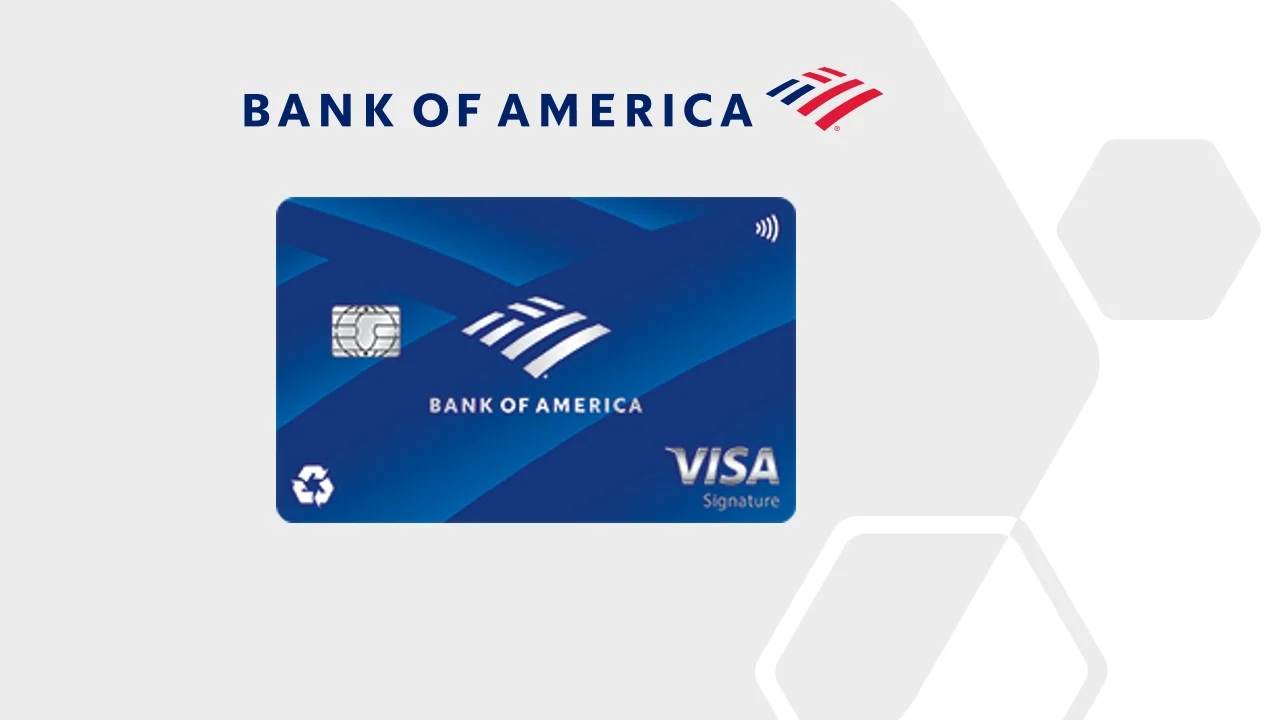
EXPLORE MORE: Click here for details on applying for the Bank of America Customized Cash Rewards Credit Card
Conclusion
The journey of credit cards has been nothing short of transformative, significantly reshaping the landscape of online shopping. Falling in line with the digital revolution, credit cards have evolved from simple transaction tools to sophisticated systems that drive consumer engagement and loyalty. With features like reward programs, cashback incentives, and Buy Now, Pay Later (BNPL) options, they have not only enhanced the shopping experience but have also influenced spending habits and brand loyalty among consumers. These innovations have allowed shoppers to seek more than just products; they are now searching for strategic financial advantages that impact their purchasing decisions significantly.
Furthermore, the rapid adoption of digital wallets and contactless payments exemplifies how technology is continuously revolutionizing consumer interactions. Statistics indicate a remarkable increase in mobile wallet usage, suggesting a seamless transition towards a cashless economy where convenience is paramount. Additionally, as subscription-based models proliferate, understanding how automatic payments affect consumer relationships with credit is essential for businesses aiming to thrive in this digital age.
The varied preferences across generations also add a layer of complexity to the financial landscape, urging businesses to innovate their offerings to cater to diverse needs. In an era defined by rapid technological advancement, credit cards will undoubtedly continue to play a vital role in shaping how consumers navigate the online marketplace.
In conclusion, the evolution of credit cards is not merely a reflection of their functionality but a mirror of changing consumer behaviors and preferences. As we look to the future, understanding these trends is imperative for both consumers and businesses alike, paving the way for smarter, more informed financial decisions in the ever-evolving world of e-commerce.

Linda Carter
Linda Carter is a writer and expert known for producing clear, engaging, and easy-to-understand content. With solid experience guiding people in achieving their goals, she shares valuable insights and practical guidance. Her mission is to support readers in making informed choices and achieving significant progress.